The Ultimate Event Prep Checklist for Lifestyle Parties: A Complete Guide to Confidence, Etiquette & Connection

Introduction: Why Preparation Changes Everything
You've done the research, joined the community, and now you're ready—your first lifestyle party is happening. Whether it's an intimate house gathering or a bustling club event, that mix of excitement and anxiety is completely natural and valid.
Here's what most people don't realize: the guests who walk in feeling confident, connected, and empowered aren't necessarily the most experienced. They're the ones who prepared.
Lifestyle parties are fundamentally about consent, comfort, and community. Unlike casual social events, these gatherings operate on a foundation of mutual respect and explicit communication. That's not intimidating—it's liberating. When everyone arrives prepared and intentional, the entire experience transforms from an anxiety-inducing challenge into an empowering adventure.
This comprehensive guide will walk you through everything you need to know before your first (or next) lifestyle event—from setting the right mindset to packing your essentials, navigating etiquette, and practicing self-care during and after the experience.
Step 1: Set Your Mindset Before You Go—The Psychology of Confidence
The most confident guests aren't the most experienced. They're the ones who arrive with intention, curiosity, and realistic expectations.
Your mindset is your foundation. Before you even plan your outfit or pack your bag, you need to get your head right.
Three Questions to Ask Yourself
Ground yourself by reflecting on these three essential questions:
1. What am I curious about tonight? Shift your focus from expectation ("I have to do X") to exploration ("I wonder what I'll discover"). Curiosity is powerful because it removes the pressure to perform and replaces it with genuine interest. Maybe you're curious about the social dynamics, the décor, the people—even if nothing physical happens, you're still growing.
2. What are my boundaries? Before you walk in, know your hard lines. These boundaries aren't restrictions—they're your safety anchors. Being clear about what's off-limits gives you permission to relax about everything else. Write them down if it helps. Boundaries are sexy because they demonstrate self-respect.
3. What would make this a positive experience even if nothing physical happens? This question reframes the entire evening. Maybe a positive experience is having three genuine conversations, observing the environment, feeling your body in a new space, or simply being present with your partner. Detaching "success" from specific physical outcomes removes enormous pressure.
This shift—from expectation to exploration—lets you relax, breathe, and actually enjoy the evening instead of spiraling about what "should" happen.
Step 2: Communicate Clearly with Your Partner (or Yourself)
Clear communication separates empowering lifestyle experiences from regrettable ones.
If You're Attending with a Partner
Communication before you arrive is non-negotiable. This isn't about suspicion—it's about alignment and safety.
Talk about these topics:
- What's okay and what's off-limits. Be specific. "I'm comfortable with watching but not participating tonight" is clearer than "just feel it out."
- Physical boundaries. What activities are possible for you? What are absolute no-gos? What would you like to explore down the road?
- Emotional boundaries. Discuss potential triggers. Will you feel jealous? Insecure? Will you need reassurance afterward?
- Signals you'll use if one of you feels uncomfortable. Maybe a tap on the shoulder, a particular phrase, or a code word. Test it beforehand.
- How you'll reconnect afterward. Plan a private moment—a car ride, a walk, or quiet time at home—to check in with each other.
If You're Attending Solo
This step still matters. Solo attendees benefit enormously from self-awareness.
Write down your boundaries. Note what you're comfortable with. Be honest about what you're seeking—connection, observation, validation, adventure. When you've externalized these thoughts, you're less likely to get swept up in the moment and act against your own values.
Solo attendees often discover they're more selective than they expected, and that's healthy. You're building your experience on your terms.
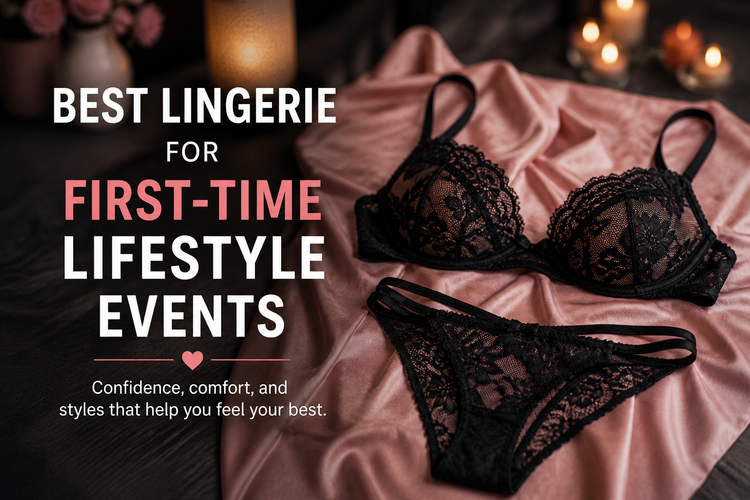
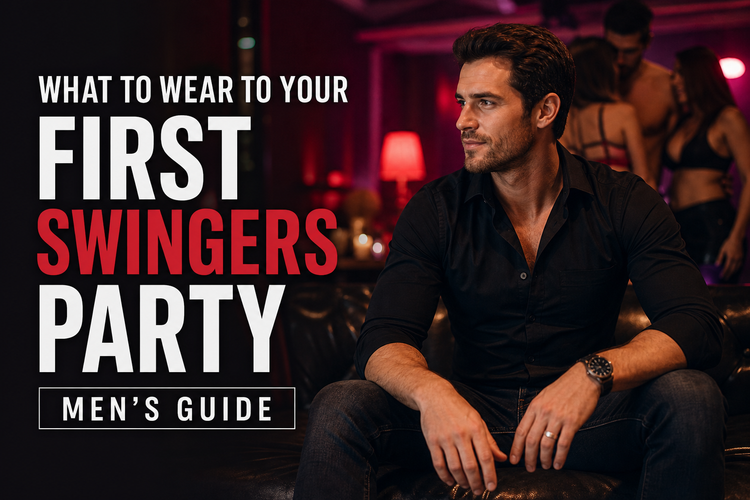
Step 3: Plan Your Outfit for Confidence, Not Comparison
Your outfit sets the tone for how you feel, not how you measure up to others.
This is crucial: choose something that makes you feel powerful, sexy, or simply comfortable in your own skin. Your clothes are armor and celebration combined.
Tried-and-True Outfit Tips
Fit over flash. Discomfort radiates. An outfit that fits perfectly but is simple will make you feel better than a bold statement piece that rides up, pulls, or requires constant adjustment. Confidence looks better than self-consciousness every single time.
Layers help. Layers give you flexibility to reveal or cover up as you warm up to the space and your comfort grows. A sheer overlay, an open shirt, a jacket, or a sarong can shift your energy throughout the night without requiring a complete outfit change.
Accessories count. Masks, jewelry, body chains, statement heels, or bold makeup can become conversation starters and confidence boosters. Accessories also let you customize your look without committing to an entirely new outfit.
Check the dress code. If you're unsure about what to wear, ask the host about the event's aesthetic or check photos from past events. Different clubs and house parties have different vibes—some are casual sexy, others are fetish-focused, others are elegant and refined. When in doubt, elevated sexy beats casual confusion every time.
Consider your venue and season. House parties often have different temperature and space dynamics than clubs. If you're attending an outdoor event or rooftop gathering, consider weather. You want to feel comfortable, not constantly adjusting for cold or heat.
Step 4: Master Lifestyle Event Etiquette—The Unspoken Rules
The lifestyle community is built on respect and consent. These aren't optional courtesies—they're the foundation of the culture.
Universal Rules of Conduct
Ask before touching—always. Consent is sexy. Never assume that because someone is at a lifestyle event, they're available or interested. Approach someone, establish interest, and ask permission before touching. A simple "Is it okay if I...?" is attractive because it demonstrates respect. Consent isn't awkward—it's the opposite of awkward.
No means no. Don't take it personally; take it gracefully. Someone declining your interest is not a reflection on you. They're honoring their own boundaries, which is admirable. A simple "Thank you for being honest—have a great night" leaves them feeling respected.
Compliment with intention. "You look amazing tonight" works better than objectifying comments. Genuine compliments about someone's style, energy, or presence create better connections than reduced-to-body comments.
Avoid assumptions. Just because someone is attending doesn't mean they're available for every kind of interaction. Someone might be there to socialize and observe. Another might be there with their partner but not interested in solo interactions. Always ask.
Be inclusive. Smile at people. Say hello to newcomers. Introduce yourself. The people who get invited back are the ones who make others feel comfortable, welcomed, and included—not the most physically adventurous.
Respect photography and recording. Many lifestyle events prohibit photography entirely. Some allow it but require consent from everyone in the frame. Always ask before photographing anyone.
Keep conversations and experiences confidential. What happens at a lifestyle event stays private. Discretion is a cornerstone of trust in this community.
Step 5: Prepare Emotionally—Managing Surprises and Feelings
Even for seasoned guests, emotions can surprise you. Excitement, insecurity, jealousy, even unexpected vulnerability can pop up mid-event.
This is completely normal and not a sign you're doing anything wrong.
Staying Balanced Throughout the Night
Stay hydrated. Water is genuinely your best friend at lifestyle events. Alcohol and an empty stomach rarely mix well. Hydration keeps you grounded, reduces impulsive decisions, and helps you feel clear-headed.
Eat beforehand. Go to the event fueled, not famished. A solid meal before arrival stabilizes your mood and energy.
Stay aware of your feelings. If you're feeling anxious, jealous, or overwhelmed, acknowledge it. Step outside for fresh air. Find a quiet corner. Text a friend. Breathe. Emotions are data—they're telling you something about yourself and what you need.
Remember: You can leave anytime. This isn't a prison sentence. You're not locked in. If at any point the environment doesn't serve you, you can leave. Enthusiastic participation is the only kind that matters. Staying in a situation where you're uncomfortable just teaches your nervous system that you don't listen to yourself. Leave if you need to.
Check in with your partner if you're attending as a couple. If you're there together, build in a moment to check in—maybe midway through. A simple "How are you doing?" can prevent small discomforts from building into big problems.
Step 6: Pack Your Essentials—The Lifestyle Party Kit
Preparation includes practical planning. Bring a small "lifestyle kit"—nothing elaborate, just practical items that prevent awkward moments and keep you feeling fresh.
What to Include
- Breath mints or gum. Non-negotiable. Especially important if alcohol or food is involved.
- Condoms and/or barriers. Never assume they'll be provided, even if the host mentioned it. Bring your own to ensure you have what works for your body.
- Wipes or travel-size body spray. Freshen up as needed. It's practical and makes you feel more confident.
- A change of clothes for after. If things get physical, you'll want fresh clothes for the drive home or next morning.
- Identification. Many venues require ID for entry.
- Cash or digital tip options. Staff work hard. Tipping is both respectful and expected.
- A small phone charger. You'll want your phone available for safety and emergencies.
- Any medications or personal items you need. Allergy medication, pain relievers, or personal hygiene items.
Pro tip: Use a discreet clutch or toiletry bag to keep everything organized and accessible. You want your kit easy to find but not broadcasting your contents.
Step 7: Engage Socially Without Pressure—Connection Over Performance
Lifestyle parties are as much about connection and community as they are about intimacy. Often, the connections people remember years later are the conversations, not the physical interactions.
How to Initiate Genuine Connection
Smile, introduce yourself, and show genuine curiosity. You'll find that people remember a warm conversation far longer than any flirtation. Genuine interest is magnetic.
Start with low-pressure conversation starters:
- "Is this your first event too?"
- "I love your outfit—did you style this yourself?"
- "How long have you been part of the community?"
- "Have you been here before?"
If you're shy, pair up with another guest or couple. Most people in the lifestyle community are welcoming and remember their own first-night nerves. Asking "Would you mind if I joined you for a bit?" often leads to friendships, not just hookups.
Ask thoughtful questions and listen. People feel seen when someone genuinely listens. This is how real connections form.
Step 8: Practice Soft Boundaries—Flexibility Without Loss of Control
Sometimes the best approach isn't rigid yes/no thinking—it's soft boundaries that allow you to adjust your comfort level as the night unfolds.
Soft boundaries keep you in control while staying open to connection.
Examples of Soft Boundaries
- "I don't plan to play tonight, but I might enjoy watching."
- "I'd love to dance and flirt, but let's check in before anything more physical."
- "I'm open to connection, but only with my partner's involvement."
- "I'm interested in conversation and companionship tonight, but nothing sexual."
Soft boundaries empower you to stay in control without shutting down connection or flexibility. You're not locked into a decision—you're building trust and testing comfort.
Step 9: Practice Graceful Declining—The Most Attractive Skill
Knowing how to say "no" confidently and kindly is one of the most attractive and respected skills in the lifestyle community.
How to Decline Politely and Firmly
Try responses like:
- "Thank you for asking, but not tonight."
- "I'm flattered, but I'm just here to socialize this time."
- "I appreciate the interest, but that's not for me."
- "Thank you—I'm going to pass."
Keep responses polite, direct, and final. You don't owe a lengthy explanation—your boundaries are valid, full stop.
The people who decline gracefully with confidence are attractive to others because they demonstrate self-respect and clarity.
Step 10: Reconnect Afterward—Turning Experience Into Growth
After the event—no matter how it went—take time to reconnect with your partner or journal your own experience.
Reflection transforms a single night into growth.
Post-Event Questions to Explore
- What felt good? Identify moments that energized you or felt authentic.
- What surprised me? What did you learn about yourself, your boundaries, or your desires?
- What felt off or uncomfortable? This is valuable data, not failure.
- Do I want to attend another event? It's okay if the answer is no.
- What do I want next time to look like? Use this experience to refine your preferences.
- How do I want to stay connected to this community? Not all involvement requires attending parties.
This reflection turns each experience into intentional growth rather than confusion or regret.
Bonus: How to Gracefully Decline an Offer at an Event
Someone approaches you with interest. You're not interested. How do you handle it?
Keep it simple, kind, and final:
- "Thank you for asking, but I'm going to pass."
- "I'm flattered, but that's not what I'm looking for tonight."
- "Not interested, but I appreciate you asking respectfully."
You don't owe a detailed explanation. Your "no" is complete on its own.
FAQ: Common Questions About Preparing for Your First Lifestyle Event
How do I know if I'm ready for a lifestyle party?
You're ready when you've had honest conversations with your partner (if applicable), identified your boundaries, and can show up with curiosity rather than expectation. Nervousness is normal—that doesn't mean you're not ready. Dread or deep resistance might be worth exploring further.
What if my partner wants to go but I'm hesitant?
Honest communication is essential. Share your specific concerns. Maybe you need more time. Maybe you need to attend as observers first. Maybe you need certain boundaries in place. Or maybe a lifestyle event isn't right for you, and that's okay. Forcing yourself into an experience you don't want is a recipe for resentment.
Is it normal to feel jealous at a lifestyle event?
Absolutely. Jealousy is information—it's telling you something about your boundaries or insecurities. Experiencing jealousy doesn't mean you should leave or that you're doing something wrong. Talk about it with your partner afterward. Many people find that experiencing and working through jealousy actually strengthens their relationship.
What if I want to leave halfway through?
Leave. There's no penalty for recognizing that an event isn't serving you. You're not obligated to stay. In fact, honoring your need to leave teaches your nervous system that you listen to yourself.
How private are these events?
Reputable lifestyle events take privacy seriously. However, privacy isn't guaranteed. Assume that people might recognize you or that word could get out. Only attend if you're comfortable with that possibility. Choose hosts and venues with strong reputation for discretion.
What if I go and nothing happens—do I feel like I failed?
No. Nothing happening is still a win if you showed up, connected with people, and felt comfortable. Some of the most valuable experiences are observational or social. You're building community, not checking off a checklist.
How do I find lifestyle events in my area?
Reputable events are often found through word-of-mouth, established lifestyle websites and apps, or local community groups. Be cautious of anything that seems sketchy. Established hosts and venues have reviews and reputations. Trust your instincts.
Should I tell friends or family about attending?
That's entirely your decision. Many people in the lifestyle community maintain privacy about their participation. Others are more open. Choose what feels right for your life and relationships. Discretion is respected in this community.
What's the difference between a house party and a club event?
House parties are typically smaller, more intimate, and often have a vetting process for entry. Club events are larger, more anonymous, and usually open to anyone who pays the door fee. House parties tend to be more relationship-focused; clubs are more sexually focused. Both have value—choose based on what appeals to you.
What if I'm attending solo?
Solo attendees often have wonderful experiences. You have total freedom over your time and interactions. You might find that being solo actually helps you connect authentically because you're not performing for a partner. Come prepared with your boundaries and social confidence, and you'll be fine.
Is it okay to just observe?
Absolutely. Many people attend as observers and find significant value in watching, learning, and socializing without participating physically. You set the terms of your participation.
Final Thoughts: Confidence Comes From Preparation
Preparation isn't about logistics alone—it's self-care. When you walk into a lifestyle party feeling centered, hydrated, and genuinely confident, you radiate energy that makes everyone around you feel comfortable too.
The goal isn't to impress anyone. It's to connect authentically, explore what feels right for you, and enjoy an experience that aligns with your values.
Remember: Confidence doesn't come from perfection. It comes from preparation.
You've got this.
Related Resources
- How to Discuss Swinging with a Concerned Partner
- Building Genuine Connections in New Social Spaces
- Consent Scripts You Can Actually Use
- Managing Jealousy and Insecurity in Lifestyle Relationships
Shop the Look
Elevate your confidence with outfits and accessories designed for bold nights and authentic connection.
This guide is for adults 18+. All participation in lifestyle activities should be consensual, respectful, and aligned with local laws. Your safety, comfort, and boundaries are paramount.